Signs Your Sidewalks, Driveways, or Patios Need Resurfacing
Signs your sidewalks, driveways, or patios need resurfacing often include cracks, uneven surfaces, or fading, and local service providers can restore their safety and appearance.
Property owners noticing cracks, uneven surfaces, or fading color on their sidewalks, driveways, or patios may find that resurfacing offers a practical solution to restore both safety and visual appeal. These signs often indicate underlying wear and tear that, if left unaddressed, can worsen over time, leading to more costly repairs or replacements. Exploring options with experienced local contractors can help determine whether resurfacing is the right step to improve the functionality and appearance of outdoor surfaces, making them safer and more inviting for everyday use.
For those concerned about the longevity and overall look of their outdoor areas, understanding the signs that indicate a need for resurfacing is essential. Issues like pooling water, surface cracks, or surface deterioration are common indicators that a surface may be nearing the end of its lifespan. Engaging with local service providers who specialize in sidewalk, driveway, or patio resurfacing can help property owners evaluate the condition of their surfaces and consider effective solutions to extend their outdoor surfaces’ lifespan while enhancing curb appeal.
- Sidewalk resurfacing may be needed when cracks, uneven surfaces, or trip hazards become apparent, and local contractors can assess and restore safety and appearance.
- Driveway resurfacing is often required when fading, potholes, or surface deterioration impact curb appeal and functionality, with service providers offering durable solutions.
- Patio resurfacing becomes necessary when surface wear, cracking, or staining diminish outdoor enjoyment, and experienced pros can refresh the area for aesthetic appeal.
- Signs your sidewalks, driveways, or patios need resurfacing include visible cracks, surface spalling, or drainage issues, prompting local specialists to recommend appropriate repairs.
- Professional resurfacing services can address surface damage, restore structural integrity, and improve appearance, helping property owners maintain safety and value.
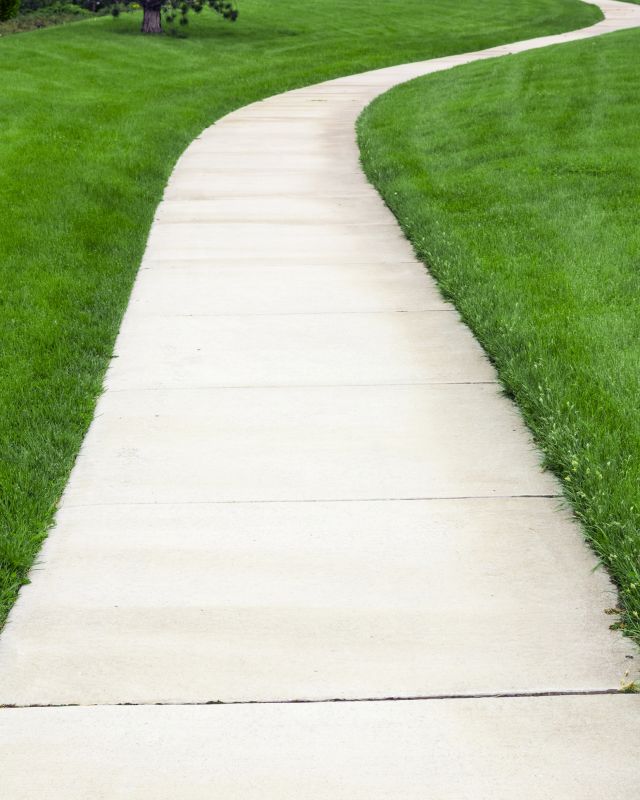
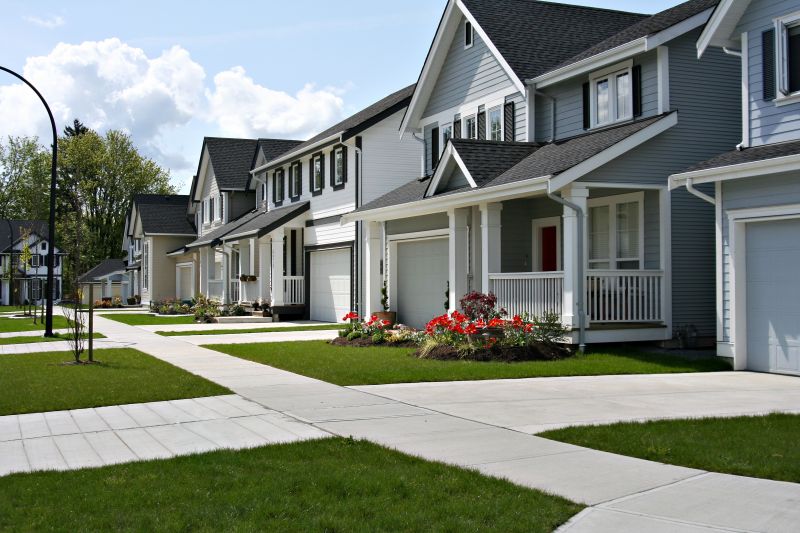
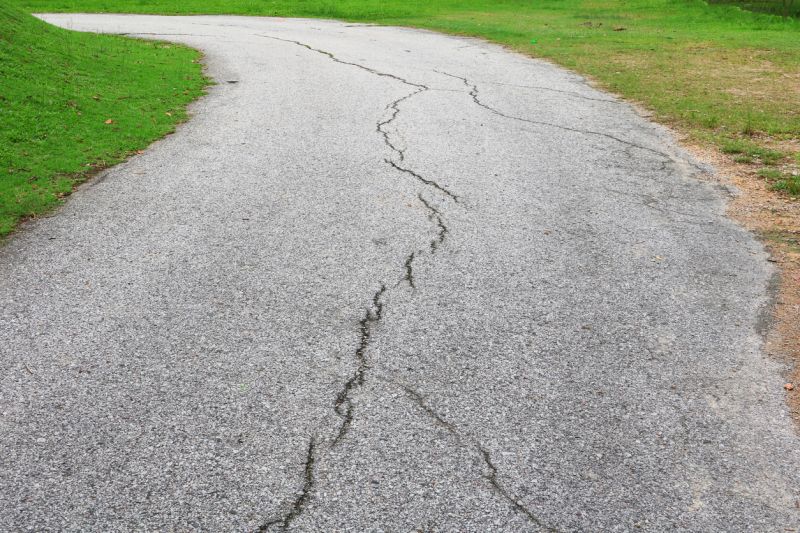
When homeowners search for signs their sidewalks, driveways, or patios need resurfacing, they are typically looking for clear indicators of deterioration or damage that suggest the existing surface may soon require repair or replacement. Commonly, people notice cracks that run across the surface, which can compromise safety and aesthetic appeal. Other frequent signs include uneven areas or sinking spots caused by underlying soil movement, as well as surface pitting or spalling where the concrete begins to chip or flake away. Recognizing these issues early can help prevent more extensive damage and higher repair costs, making it important to understand what to look for in terms of surface condition.
These signs are often linked to broader concerns about safety, property value, and the overall appearance of a property. For example, cracks or uneven surfaces can create tripping hazards, especially for children, seniors, or anyone with mobility challenges. Additionally, surface damage may be a sign of underlying problems such as soil erosion or poor initial installation, which can worsen over time if not addressed. Homeowners might also consider resurfacing when planning upgrades to improve curb appeal or prepare a property for sale. In many cases, local service providers are called upon to assess these signs and recommend whether resurfacing is a suitable solution to restore the functionality and look of the outdoor surfaces.
Driveways, sidewalks, and patios are typically found on residential properties, including single-family homes, townhouses, and multi-unit complexes. These surfaces are essential for everyday use, providing safe pathways, parking areas, and outdoor living spaces. Over time, exposure to weather elements like rain, snow, and temperature fluctuations can accelerate deterioration. Properties with high foot traffic or those built on poorly compacted soil may experience more rapid surface wear. Recognizing signs of damage early allows homeowners to plan for resurfacing projects that can extend the lifespan of these surfaces, ensuring they remain safe and attractive for years to come.
Local contractors who specialize in sidewalk, driveway, and patio resurfacing play a vital role in addressing these signs and preventing further issues. They can evaluate the condition of existing surfaces, identify underlying causes of damage, and recommend appropriate solutions. Resurfacing options might include applying a new layer of concrete, overlaying with decorative finishes, or repairing cracks and uneven areas before resurfacing. These professionals help homeowners restore their outdoor surfaces efficiently and effectively, contributing to improved safety, enhanced curb appeal, and increased property value. Connecting with experienced service providers ensures that resurfacing projects are handled with the skill and expertise needed for durable, long-lasting results.
Paving and sealing projects involve preparing surfaces and applying protective coatings, skills that are similar to resurfacing sidewalks, driveways, or patios to restore their appearance and durability.
Concrete repair and replacement services focus on fixing cracks and surface damage, which aligns with the needs of resurfacing projects to improve surface integrity and aesthetics.
Stamped concrete and decorative overlays require surface preparation and finishing techniques comparable to those used in resurfacing to enhance visual appeal and longevity.
Driveway and walkway installation involves planning and groundwork that are essential steps in resurfacing projects to ensure proper surface support and alignment.
Patio remodeling and hardscaping projects utilize similar planning, layout, and surface finishing skills as those used in sidewalk and patio resurfacing efforts.
Surface cleaning and preparation services are foundational to resurfacing work, ensuring surfaces are ready for repairs or overlays by local contractors.
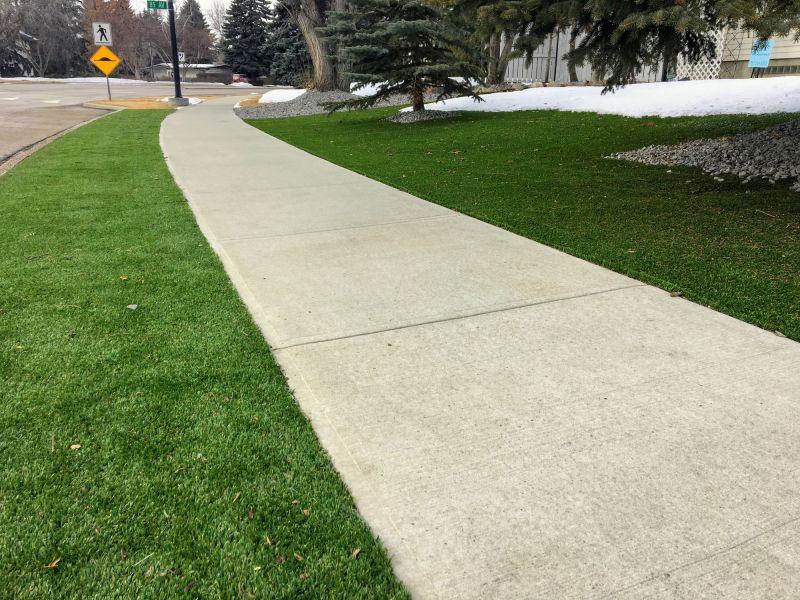
When evaluating service providers for sidewalk, driveway, or patio resurfacing, it is important to consider their experience with similar projects. An experienced contractor will have a clear understanding of the specific challenges that come with different surfaces and conditions, which can lead to a more effective and durable resurfacing process. Homeowners should inquire about how long the contractor has been working on these types of projects and whether they have a history of completing work comparable to the scope and style of the desired resurfacing. This background can provide confidence that the service provider is well-versed in handling the unique aspects of each surface.
Clear communication and well-defined expectations are crucial when choosing a local contractor for resurfacing work. Homeowners should seek out providers who offer detailed explanations of their process, materials, and what the finished project will entail. Having a transparent dialogue helps ensure that both parties are aligned on the scope of work and desired outcomes. It’s also beneficial to ask for written estimates or proposals that outline the specific tasks and materials involved, reducing the chances of misunderstandings or surprises during or after the project.
Reputable references and a reputation for professionalism are key indicators of a reliable service provider. Homeowners can ask for references or reviews from previous clients who had similar resurfacing projects completed. This feedback can reveal the contractor’s reliability, quality of work, and ability to communicate effectively throughout the process. Additionally, good communication skills-such as responsiveness to questions and clarity in explanations-can make the entire experience smoother. Choosing local service providers with a track record of satisfied customers can help ensure the resurfacing project meets expectations and is completed to a high standard.
Property owners often search for signs your sidewalks, driveways, or patios need resurfacing when they are planning practical projects around their homes and businesses. Local pros provide Sidewalk, Driveway, or Patio Resurfacing services for everyday jobs and straightforward project options.
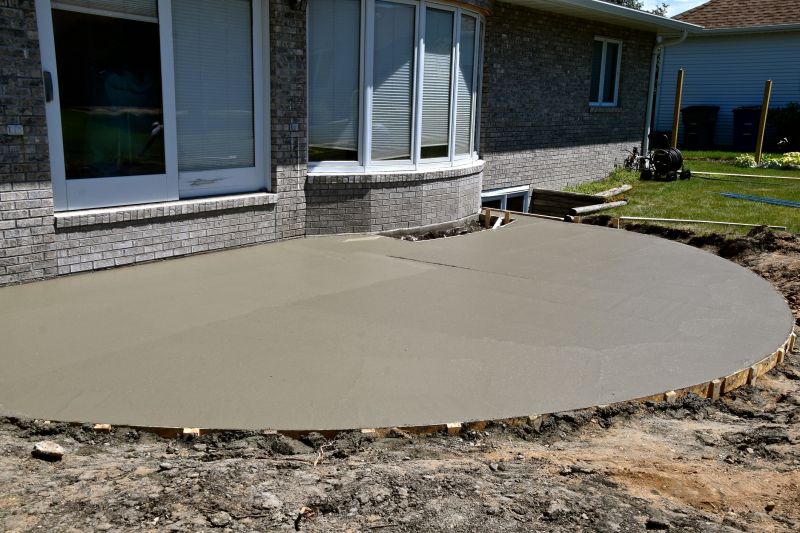
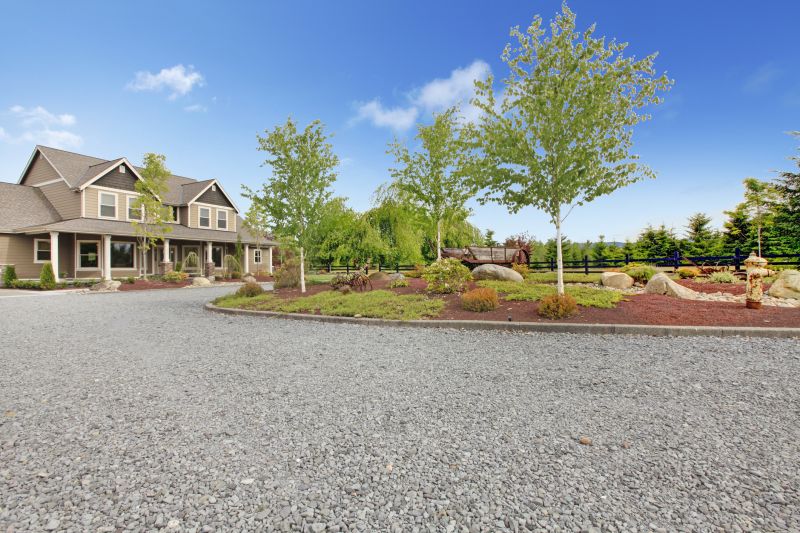
Property owners often notice cracks, uneven surfaces, or fading colors on their sidewalks, driveways, or patios, which can be signs that resurfacing may be needed. These issues not only affect the appearance of outdoor spaces but can also pose safety concerns, especially when cracks or uneven areas become tripping hazards. When such problems become visible, local contractors experienced in resurfacing services can assess the situation and recommend appropriate solutions to restore the surface’s integrity and look.
In addition to visible damage, other indicators include surface deterioration like spalling, pitting, or the presence of moss and algae that make surfaces slippery. Over time, exposure to weather and regular use can cause the material to weaken, leading to the need for resurfacing. Property owners who observe these signs might consider reaching out to local service providers who specialize in sidewalk, driveway, or patio resurfacing to help improve the durability and appearance of their outdoor spaces.
What are common signs that my sidewalk, driveway, or patio needs resurfacing? Visible cracks, uneven surfaces, and significant spalling or chipping are key indicators that resurfacing may be necessary. If the surface shows widespread deterioration, local contractors can assess whether resurfacing can restore its appearance and functionality.
How can I tell if surface damage is serious enough for resurfacing? Extensive cracking, large potholes, or a rough, uneven texture often suggest that resurfacing could be a suitable solution. Service providers can evaluate the extent of damage to recommend the best course of action.
Are there specific signs that indicate my outdoor surface has structural issues? Yes, if your sidewalk, driveway, or patio has shifted, sunk, or has underlying base problems causing surface instability, resurfacing might help improve stability. Local contractors can identify underlying issues during an inspection.
What visual cues suggest my outdoor surfaces are nearing the end of their lifespan? Fading color, surface discoloration, and widespread surface deterioration are signs that resurfacing could refresh the appearance and extend the life of the surface. Professionals can determine if resurfacing is appropriate.
Can surface discoloration or surface texture indicate the need for resurfacing? Yes, persistent staining, uneven coloring, or a rough texture that can't be cleaned or repaired easily often point to the need for resurfacing. Local service providers can evaluate whether resurfacing will restore the surface’s look and function.
Cracks and holes - noticing significant cracks or holes in your sidewalks, driveways, or patios can indicate the need for resurfacing services provided by local contractors to restore safety and appearance.
Uneven surfaces - if your surfaces feel uneven or have settled over time, resurfacing can help create a smooth, level area suitable for everyday use with the help of local experts.
Surface deterioration - signs of surface wear such as chipping, spalling, or fading suggest that resurfacing may be necessary to improve durability and visual appeal through professional services.
Drainage issues - pooling water or poor drainage on your surfaces can be addressed by resurfacing solutions offered by local service providers to ensure proper runoff and prevent further damage.
If you are thinking about signs your sidewalks, driveways, or patios need resurfacing for a property, this guide is meant to help you understand this topic, the typical project types, and how different options might fit your plans.
When you are ready, you can use the quote form on this page to share a few details about your project. From there, local pros can review the basics and follow up with options that match what you have in mind.